
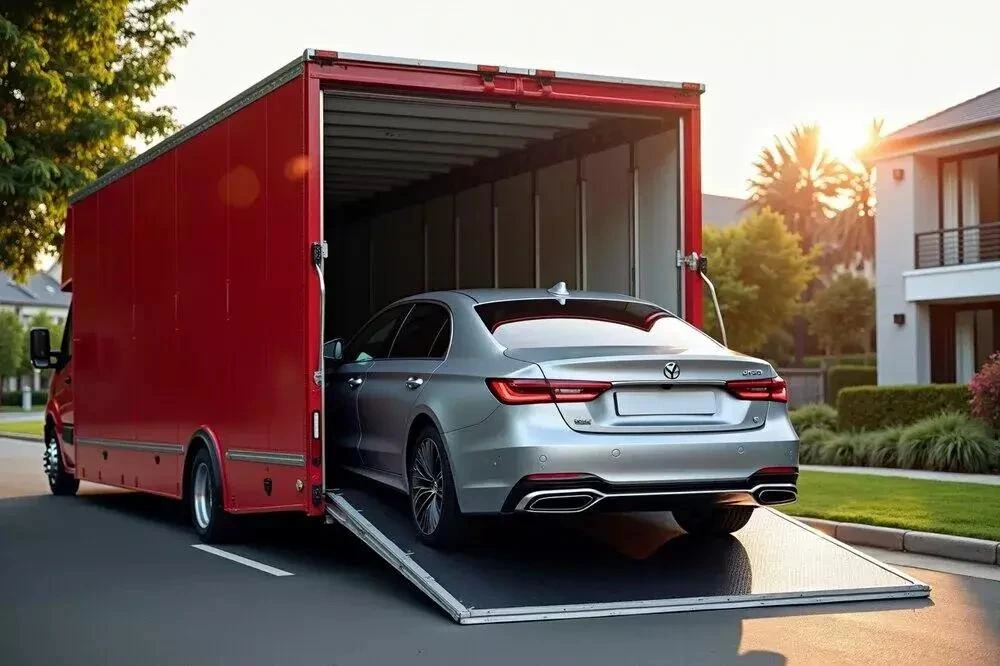
Choosing the right car shipping method is an important part of arranging vehicle transportation. Two common options are open car transport and enclosed car transport. Both can move vehicles between locations, but they differ in the level of exposure, equipment used, availability, and overall cost.
Understanding these differences can help you select the service that best fits your vehicle and budget.
What Is Open Car Transport?
Open car transport uses a carrier with an uncovered vehicle platform. Depending on the equipment, these carriers can accommodate several vehicles on the same trip.
This method is widely used for transporting everyday cars, SUVs, and many other standard vehicles. Because carriers can transport multiple vehicles together, open transport is generally more economical than enclosed shipping.
However, vehicles transported on open carriers are exposed to outdoor conditions, including rain, dust, sunlight, and ordinary road debris. Open transport does not provide the same physical enclosure as an enclosed carrier.
What Is Enclosed Car Transport?
Enclosed car transport uses a covered trailer to provide an additional barrier between the vehicle and the outside environment. It is often considered for classic cars, exotic vehicles, luxury automobiles, and other vehicles whose owners want additional protection during transit.
Enclosed transportation may involve specialized equipment, fewer available carrier options, and higher transportation costs. The exact service depends on the route, vehicle specifications, and carrier availability.
Although an enclosed trailer offers additional protection, it is still important to review the carrier’s insurance arrangements, inspection procedures, and transportation terms.
Comparing the Two Options
Open transport may be suitable if:
-
You are shipping a standard daily-use vehicle.
-
You want a practical and budget-conscious transportation option.
-
Your vehicle does not require additional protection from outdoor exposure.
-
You prefer a widely used shipping method.
Enclosed transport may be suitable if:
-
You own a classic or collectible vehicle.
-
Your car has a specialized finish or significant market value.
-
You want additional protection from weather and road debris.
-
Your vehicle’s condition or storage requirements justify the additional cost.
Which Option Costs Less?
Open transport generally costs less because of its common availability and the ability to transport multiple vehicles efficiently. Enclosed transport often costs more due to the specialized trailer, equipment, and service requirements.
Your actual quote may also depend on vehicle dimensions, distance, pickup location, delivery location, seasonal demand, and scheduling flexibility.
It is best to compare quotes for the same route and service requirements rather than relying on a general price estimate.
How Long Does Car Shipping Take?
Neither method guarantees a specific delivery time without a confirmed arrangement. Transit time depends on the distance, route, weather, traffic, pickup scheduling, and other transportation factors.
A cross-country shipment generally requires more travel time than a shipment between nearby states. Ask the provider for an estimated pickup window and delivery timeframe before confirming your booking.
What Should You Check Before Booking?
Before selecting a service, ask about the carrier’s insurance, pickup and delivery arrangements, cancellation terms, payment schedule, and documentation process.
Review the vehicle inspection report at pickup and delivery, and keep photographs of your car’s condition.
Final Thoughts
Open and enclosed car transport each serve different needs. Open transport is often the practical choice for standard vehicles, while enclosed shipping provides additional protection for vehicles that warrant special care.
GoldRoute Vehicle Shipping offers both options for customers arranging vehicle transportation from Austin, Texas, and other locations, subject to route and carrier availability.