
GoldRoute Vehicle Shipping helps customers explore state-to-state auto transport for long-distance moves, vehicle purchases, and other interstate transportation needs. Choose open or enclosed shipping based on your vehicle, budget, and route.
Moving a car between states can be challenging when you are already managing a relocation, starting a new job, purchasing a vehicle, or organizing a family move. Driving long distances may require extra time, fuel, accommodation, and planning.
State-to-state auto transport provides another option. By arranging a vehicle carrier, you can coordinate transportation separately from your own travel plans.
GoldRoute Vehicle Shipping helps customers explore interstate vehicle shipping options from Austin, Texas, and other eligible pickup locations, subject to route coverage and carrier availability.
State-to-state auto transport involves moving a vehicle from one state to another using an auto transport carrier. The vehicle is collected at an agreed pickup location and delivered to a specified destination according to the booking arrangements.
This service can be useful for:
Individuals and families relocating to another state.
Students moving to or from college.
Military personnel arranging a relocation.
People purchasing vehicles from out-of-state sellers.
Seasonal travelers moving their cars between residences.
Businesses coordinating eligible vehicle movements.
The appropriate arrangement depends on the route, vehicle condition, pickup and delivery access, and your schedule.
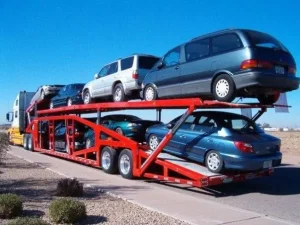
Open car transport is a common option for standard vehicles. It uses an uncovered carrier and is generally more economical than enclosed shipping.
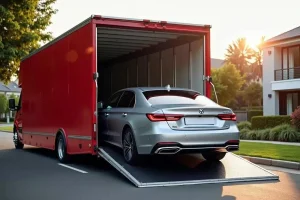
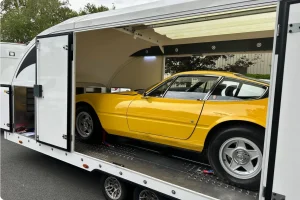
Enclosed car transport uses a covered trailer to provide additional protection from outdoor conditions. It may be suitable for classic, collectible, luxury, and specialty vehicles.
Your decision should consider the vehicle’s condition, dimensions, value, desired protection, and budget. If you are unsure which option is appropriate, compare quotes based on the same route and vehicle requirements.
Step 1: Request a quote. Provide the pickup and delivery locations, vehicle details, preferred dates, and selected shipping method. Accurate information helps establish the transportation requirements.
Step 2: Review the arrangements. Check the quote, service details, expected pickup window, estimated delivery timeframe, payment terms, and cancellation policy before confirming.
Step 3: Prepare the vehicle. Clean the exterior, photograph existing damage, remove personal belongings, and disclose any mechanical problems or modifications that may affect loading.
Step 4: Coordinate pickup. Confirm the location and contact arrangements. Review the vehicle inspection report or bill of lading, as applicable, and retain a copy.
Step 5: Receive your vehicle. Be available for delivery coordination. Inspect the vehicle, compare its condition with the original report, and document any concerns promptly.
These steps may vary depending on the carrier, the booking agreement, and the circumstances of the shipment.
Interstate shipping costs are influenced by several factors.
Distance: Longer routes typically involve greater transportation expenses, although price does not always increase proportionally with mileage.
Vehicle dimensions: Larger and heavier vehicles may require more trailer space or specialized handling.
Route availability: Frequently served routes may have different carrier availability and pricing from remote or less common destinations.
Shipping method: Enclosed transport usually costs more than open transport.
Scheduling: Seasonal demand, preferred dates, and carrier availability may affect pricing.
Location access: Difficult pickup or delivery locations may require additional coordination.
A route-specific quote is the best way to understand the likely cost of your shipment.
Delivery time depends on the total distance, traffic, weather, route conditions, carrier scheduling, and pickup and delivery coordination.
The period between booking and vehicle pickup should be distinguished from the actual transit period. A carrier may need time to become available before transportation begins.
Before booking, request an estimated pickup window and delivery timeframe. If your vehicle must arrive before a particular date, explain your deadline and obtain written confirmation of any special arrangement.
Before pickup, remove personal belongings and document the vehicle’s condition. Check the tires and battery, and inform the provider if the car does not start or has any other operational issues.
Confirm that the pickup and delivery locations can accommodate the carrier. If a large transport truck cannot safely reach the exact address, coordinate an alternative meeting point.
Keep your booking confirmation and inspection paperwork accessible. Review the carrier’s insurance arrangements and claims procedures before transportation begins.
Planning in advance gives you more opportunity to compare transportation methods, discuss scheduling requirements, and arrange suitable pickup and delivery locations.
Last-minute bookings may have fewer available options on some routes. However, actual availability depends on the circumstances, so confirm current options rather than assuming a particular timeline.
GoldRoute Vehicle Shipping helps customers explore interstate car shipping arrangements for relocations, vehicle purchases, and other long-distance transportation needs. We can discuss your route, preferred transport type, and schedule to help identify suitable options.
Find answers to some common questions about car shipping and vehicle transportation.
Car shipping costs depend on the distance, vehicle size, route, transport method, scheduling, carrier availability, and pickup or delivery access. Contact GoldRoute Vehicle Shipping at (737) 348-0782 with your route and vehicle details to request a quote.
Transit time varies depending on the distance, route, traffic, weather, carrier scheduling, and pickup arrangements. Ask for an estimated pickup window and delivery timeframe before confirming your booking.
Open transport carries vehicles on an uncovered trailer and is generally more economical. Enclosed transport uses a covered trailer to provide additional protection from weather and road debris. The appropriate option depends on your vehicle and budget.
Door-to-door transport aims to arrange pickup and delivery as close as safely and legally possible to your requested addresses. If a large carrier cannot access a particular street or driveway, a nearby meeting location may be necessary.
Clean your vehicle, photograph its existing condition, remove personal belongings, and disclose mechanical issues or modifications. Confirm the pickup and delivery details, review the inspection paperwork, and ask about the carrier's insurance and claims procedures before shipping.